AN EXHIBITION OF GOETHE-INSTITUT IN THAILAND
Bangkok Art and Culture Centre (BACC), Bangkok, Thailand
September 14, 2010 - November 7, 2010
Axel Feuss
CURATOR'S VIEW
Translation from German: Nicholas Randall
(for Thai and German please scroll down)
It is common practice in Germany – at contemporary art exhibitions, in museums and in private galleries – to show pieces by international and German artists together. It is not the nationality that matters in relation to participation of the artists, but solely the subjects and quality of their works. This also applies to the public sponsorship of art, the awarding of scholarships and communal studios, the acquisition of art from museums and public collections like the art collection of the German Bundestag, as well as the acquisition of works for public spaces and representative buildings such as the new Federal Chancellery in Berlin.
For the young art audience this is a familiar picture, linked to the world-wide availability of art in the internet, the large, internationally endowed exhibitions like the Documenta in Kassel and the increasingly multi-cultural society in Germany. Particularly in Germany, this international orientation of fine arts has a special tradition, which is closely related to the societal reconstruction after World War II. Under the Nazi regime, from 1933 to 1945, artists of the German and international avant-garde were exposed to brutal persecution. Their works were destroyed, those works in public collections sold off in other countries. Artists were threatened with death, killed in concentration camps and forced into exile. After World War II, German artists returning from exile in Paris, New York, London or Scandinavia, called attention to modern art again, which had been at a standstill in the recent years. From that time on, such a great number of internationally important artworks were acquired by private collectors, and of such great quality, that today German museums are held in worldwide esteem in the field of classic modern and contemporary art.
It was the close relationship between Germany and the United States in the years of reconstruction in Germany, the exodus of artists from the countries of the former Eastern bloc to West Germany in the 1960s to the 1980s, the scholarships offered to young foreign artists by the German Academic Exchange Service (DAAD) and finally the migration of artists from Turkey, Iran, Iraq, Africa and Asia in the last three decades that continued to draw attention to international art in Germany. Young artists informed after their studies, that due to immigration laws they are not allowed to stay in Germany, will not see this development as so positive. The fact remains, however, that internationally important artists from overseas are as a matter of course considered part of the German art scene. The late Korean media artist Nam June Paik is one of many well-known examples.
Is the whole world then an art village in which work is done according to firm global linguistic norms of contemporary art, with no regard for nationality? Each artist and curator will answer this question differently, according to their individual interests. The Documenta 12 in Kassel in 2007 and the numerous international art biennials have shown and still show that hybrid artworks are very popular. In this context, this does not mean the border crossing between traditional art techniques and modern technology, but instead the processing of nationally and ethnically determined subjects into artistic works that can be understood internationally in respect to global questions, due to their modern stylistic elements and media lingo. Therefore, if a German institution – the Goethe-Institut in Bangkok – exhibits works of foreign artists, in this case from Thailand, this is a completely normal event from a German point of view, even beyond the jubilee of this institution. Art is always the priority.
Particularly with artists from Thailand, it is striking that themes like Buddhism, traditions and the national culture play a major role. In addition, the country's current social and political situation is often on display in their artworks. Thainess, a special form of national and cultural identity, is present in the country's everyday life and in many patterns of behaviour. In travel guides, Thailand is sometimes described as a land in which a centuries-old high culture can still be observed in full bloom. It is hard to differentiate between cliché and reality, even after a longer stay in the country. All artists will have their own and completely contrary opinions on this. Typical Thai subjects, points of view or traditional Thai imagery are also represented here by these artists; while at the same time, each of them has a level of proficiency that allows them to participate in international exhibitions.
Does it make sense to stage an exhibition presenting artists that share only one single biographical event, namely a stay in Germany as part of their studies or an important project? It seems naïve to believe that influences of the German art scene could be visible in the works, considering the global flow of information and the close connection of many Thai artists to exhibitions and galleries in East and South East Asia and multitudinous connections to America and Australia. Furthermore, artists living in foreign countries react just as other people do: Some cloister themselves over the unfamiliar living conditions and so find the way back to their own traditional art, others open up to new impressions and so far unknown techniques, and then there are those who achieve a synthesis of influences from both cultures.
While researching for this exhibition project it turned out that almost all participating artists born between 1939 and 1978 who stayed in Germany between 1965 and 2010 were linked in a special way. The Goethe-institut in Bangkok, which, situated at its old position in Phra Athit Road close to the art faculty of the Silpakorn University and the National Gallery, made a name for itself in the 1970s and 1980s with its contemporary Thai art exhibitions, is named by many mid-aged artists as the trigger for their art studies in Germany. Many received references here, and soon after a DAAD scholarship. Younger artists followed their teachers a few years later; others came to visit their fellow students in Germany or to start studying at the same university in Bremen, Cologne or Leipzig themselves. Even the two older artists – to mention two final names – Somyot Hananuntasuk and Somboon Hormtientong, who stayed in Munich after finishing their studies, were visited by the younger ones on their trips. Others acted on a chance opportunity, listened to the hearsay or took part in projects they had been invited to by the Goethe-Institut in Germany or by their Thai fellow artists. Finally the picture of a group of artists with more or less strong links among them emerged for the curator – just as it is common in other groups of artists, whether they carry a name or not.
Was it more difficult to organize an exhibition of Thai artists even in their own country than it would have been in Germany? It was not. Dealing with the artists and their works, especially with such an extent of generations, themes, techniques and media is always a great pleasure and privilege. To listen to their intentions, experience their creativity and enjoy their hospitality is always a huge personal enrichment, in Germany as well as in Thailand.
อักเซล ฟอยซ์
ในทัศนะของภัณฑารักษ์
ในประเทศเยอรมนีถือเป็นธรรมเนียมสืบต่อกันมาที่จะมีการจัดแสดงผลงานของศิลปินนานาชาติและศิลปินเยอรมันร่วมกันหรือสลับกันในงานแสดงศิลปะร่วมสมัยของแกลเลอรี่หรือของพิพิธภัณฑ์ ตัวการตัดสินในการคัดเลือกศิลปินให้เข้าร่วมแสดงในนิทรรศการไม่ใช่เรื่องของเชื้อชาติ แต่เป็นเรื่องของประเด็นหัวข้อ และคุณภาพของชิ้นงานที่แสดงล้วนๆ ซึ่งเป็นหลักการที่ใช้ร่วมกันในการส่งเสริมสนับสนุนศิลปะเพื่อสาธารณะของรัฐ ในการมอบทุนอุดหนุนแก่ศิลปินและสตูดิโอในท้องถิ่นต่างๆ ในการซื้องานศิลปะของพิพิธภัณฑ์และสถาบันสะสมรวบรวมงานศิลปะของรัฐ เช่น สถาบันสะสมงานศิลปะของสภาผู้แทนราษฎรแห่งสหพันธ์สาธารณรัฐเยอรมนี เช่นเดียวกับการจัดซื้องานศิลปะสำหรับสถานที่ราชการและอาคารสำคัญๆ ของประเทศ เช่น สำนักนายกรัฐมนตรีหลังใหม่ในเบอร์ลิน เป็นต้น
หมู่ผู้ชมงานศิลปะรุ่นใหม่ย่อมคุ้นเคยกับภาพข้างต้นเหล่านั้นดี ซึ่งเนื่องมาจากที่ว่ามีการเสนอผลงานศิลปะที่แพร่หลายไปทั่วโลกผ่านทางอินเตอร์เน็ต หรือการจัดงานนิทรรศการขนาดใหญ่ที่ศิลปินนานาชาติเข้ามามีส่วนร่วมด้วยอย่างงานดอคคูเมนตาที่เมืองคาสเซิล รวมไปถึงสังคมในเยอรมนีที่มีความหลากหลายทางวัฒนธรรมเพิ่มมากขึ้นเรื่อยๆ โดยเฉพาะอย่างยิ่งในประเทศเยอรมนีการจัดงานแสดงนิทรรศการจิตรกรรมนานาชาติเหล่านี้ออกจะมีธรรมเนียมพิเศษเฉพาะที่ผูกพันแนบแน่นกับเรื่องการก่อร่างสร้างสังคมในประเทศขึ้นมาใหม่หลังจากที่สงครามโลกครั้งที่สองได้ยุติลงไม่น้อย ในระหว่างปีค.ศ.๑๙๓๓-๑๙๔๕ ภายใต้การปกครองของนาซี ศิลปินหัวคิดล้ำหน้าที่เรียกว่าพวกอะวองการ์ดไม่ว่าจะเป็นเยอรมันหรือชาติอื่นล้วนถูกตามรังควานอย่างป่าเถื่อนโหดร้าย ผลงานของพวกเขาถูกทำลาย หรือไม่ก็ถูกนำออกจากสถาบันสะสมงานศิลปะของรัฐและนำไปขายในต่างประเทศ ศิลปินบางคนถูกขู่เอาชีวิต ถูกฆาตกรรมในค่ายกักกันหรือไม่ก็ถูกผลักดันให้หลบหนีไปอาศัยอยู่ต่างแดน ภายหลังสงครามโลกครั้งที่สองสงบลงศิลปินเยอรมันที่กลับคืนประเทศหลังจากการหลบหนีภัยอยู่ในปารีส นิวยอร์ค ลอนดอน หรือประเทศแถบสแกนดิเนเวียได้มีบทบาทในการกระตุ้นความสนใจต่องานศิลปะสมัยใหม่ในเยอรมนีที่ได้ชะงักงันอยู่กับที่ในระหว่างช่วงเวลาก่อนหน้านี้ให้เกิดขึ้นใหม่อีกหน และในช่วงเวลานั้นเองที่นักสะสมเอกชนได้เริ่มซื้องานศิลปะระดับนานาชาติชิ้นสำคัญๆ และคุณภาพยอดเยี่ยมไว้เป็นจำนวนมาก จนพิพิธภัณฑ์เยอรมันหลายแห่งในปัจจุบันได้รับความเคารพนับถืออันน่าอิ่มเอมใจจากทั่วโลกในเรื่องการสะสมงานศิลปะยุคใหม่ทั้งรุ่นคลาสสิกและร่วมสมัย
ความใกล้ชิดผูกพันของประเทศเยอรมนีกับสหรัฐอเมริกาในช่วงเวลาของการก่อสร้างประเทศขึ้นมาใหม่ การอพยพหลบหนีของศิลปินจากประเทศค่ายตะวันออกในอดีตมายังเยอรมนีตะวันตกระหว่างปีค.ศ.๑๙๖๐-๑๙๘๐ การให้ทุนสนับสนุนศิลปินต่างชาติรุ่นเยาว์ผ่านทางองค์การแลกเปลี่ยนทางวิชาการเยอรมัน DAAD ผนวกท้ายกับการโยกย้ายถิ่นฐานของศิลปินจากเตอรกี อิหร่าน อิรัค แอฟริกา และเอเชียในช่วงเวลาสามสิบปีก่อนหน้านี้ได้เร่งเร้าความสนใจเกี่ยวกับงานศิลปะนานาชาติในเยอรมนีให้เพิ่มมากขึ้นไปอีก แต่การที่ศิลปินหนุ่มสาวรุ่นเยาว์ได้รับการบอกกล่าวว่าพวกเขาจะไม่ได้รับอนุญาตให้อยู่ในเยอรมนีต่อไปหลังจากจบการศึกษาแล้วตามข้อบังคับกฏหมายว่าด้วยชาวต่างชาติย่อมจะเป็นแนวโน้มที่ไม่ก่อเกิดผลดีเป็นแน่ ทั้งๆ ที่ในความเป็นจริง เหล่าศิลปินต่างชาติซึ่งมีชื่อเสียงโดดเด่นระดับนานาชาติทุกวันนี้ล้วนถูกมองว่าพวกเขาคือส่วนหนึ่งของวงการศิลปะเยอรมันอย่างไม่ต้องสงสัย ศิลปินงานสื่อชาวเกาหลีชื่อนำ จุน ไปค์ คือตัวอย่างหนึ่งที่รู้จักกันดี
โลกทั้งโลกของเราทุกวันนี้คือหมู่บ้านศิลปะแห่งหนึ่ง ที่มีการทำงานตามมาตรฐานภาษาศิลปะร่วมสมัยที่เชื่อมโยงกันอยู่ทั่วโลกโดยไม่คำนึงถึงเชื้อชาติไม่ใช่หรือ? ศิลปินหรือภัณฑารักษ์แต่ละคนคงจะตอบคำถามข้อนี้แตกต่างกันไปตามแต่ดุลยพินิจของตน งานดอคคูเมนตา ครั้งที่ ๑๒ ที่คาสเซิลใน ปีค.ศ.๒๐๐๗ และงานแสดงศิลปะนานาชาติทุกรอบสองปีหลายๆ งานเคยแสดงและกำลังแสดงให้เราเห็นว่าผลงานศิลปะลูกผสม แบบไฮบริดกำลังมาแรง ในที่นี้ไม่ได้หมายถึงการล่วงล้ำผ่านจากเทคนิคศิลปะแบบประเพณีเข้าสู่เทคโนโลยีสมัยใหม่ แต่หมายถึงการบ่มสร้างประเด็นเรื่องราวเฉพาะชาติและเผ่าพันธุ์ให้กลายเป็นผลงานศิลปะที่คำนึงถึงการตั้งคำถามของโลกทั้งโลก และสามารถเข้าใจได้ในระดับนานาชาติเนื่องจากภาษาของรูปทรงและภาษาสื่อที่ทันสมัย ฉะนั้นถ้าสถาบันเกอเธ่ กรุงเทพฯ ซึ่งเป็นองค์กรเยอรมันจัดแสดงผลงานของศิลปินชาติอื่น ซึ่งในที่นี้คือศิลปินจากประเทศไทย จากมุมมองของคนเยอรมันย่อมถือว่าเป็นเพียงกระบวนการปกติธรรมดาอย่างยิ่ง ต่อให้เป็นงานที่ไม่ใช่เพื่อฉลองวาระครบรอบครั้งสำคัญของสถาบันแห่งนี้ก็เถิด เพราะในที่สุดแล้วศิลปะคือเรื่องที่สำคัญที่สุดกว่าอื่นใด
สำหรับศิลปินไทยนั้นเห็นได้ชัดว่าประเด็นเรื่องราวว่าด้วยพุทธศาสนา ขนบธรรมเนียม และวัฒนธรรมประจำชาติออกจะมีบทบาทสำคัญยิ่ง นอกจากนั้นยังมีการสอดแทรกสถานการณ์ทางสังคมและการเมืองที่กำลังเกิดขึ้นเข้าไปในงานศิลปะด้วย ส่วน ความเป็นไทย หรือรูปแบบเฉพาะของเอกลักษณ์แห่งชาติและวัฒนธรรมก็จะพบได้จากชีวิตประจำวันและรูปแบบพฤติกรรมนานาชนิดในปัจจุบัน ในหนังสือนำเที่ยวจะมีคำบรรยายในบางครั้งว่าวัฒนธรรมชั้นสูงที่เก่าแก่นับร้อยปียังคงออกดอกบานสะพรั่งอยู่ในประเทศไทยจนสังเกตเห็นได้ ความแตกต่างระหว่างภาพสรุปทางภายนอกอย่างผิดๆ กับความเป็นจริงออกจะตัดสินได้ยากแล้วด้วยหลังจากการอาศัยอยู่ที่นี่นานๆ ศิลปินทั้งหมดย่อมจะมีความเห็นส่วนตนในเรื่องนี้ที่อาจจะตรงข้ามกันมากๆ แน่นอนว่าเราจะได้พบประเด็นเรื่องราว มุมมองหรือไม่ก็ภาษาภาพกับฉากหลังแบบไทยๆ ได้ในผลงานของศิลปินผู้ร่วมแสดงงานครั้งนี้ ซึ่งล้วนแต่ผ่านประสบการณ์แสดงงานระดับนานาชาติมาแล้วทั้งนั้น
นิทรรศการที่มีจุดเริ่มต้นจากเหตุการณ์หนึ่งในชีวิตที่เหมือนกันของเหล่าศิลปิน คือ ทุกคนต่างเคยใช้ชีวิตช่วงหนึ่งในเยอรมนีเนื่องจากการศึกษาหรือมีการส่วนร่วมในโครงการศิลปะสำคัญๆ ที่นั่น ถือเป็นเรื่องถูกต้องไหม? ความคิดที่ว่าอิทธิพลของวงการศิลปะเยอรมันน่าจะปรากฏให้เห็นในผลงานเหล่านี้บ้าง ฟังแล้วออกจะไร้เดียงสาอยู่สักหน่อย เมื่อคำนึงถึงกระแสโลกาภิวัฒน์ของข้อมูลข่าวสาร รวมไปถึงสายใยอันใกล้ชิดของศิลปินไทยหลายๆ คนกับองค์กรจัดทำนิทรรศการในเอเชียตะวันออกและตะวันออกเฉียงใต้ และความสัมพันธ์เชื่อมโยงกับอเมริกาและออสเตรเลียอีกมากที่มีอยู่ในทุกวันนี้ ยิ่งกว่านั้น คือ เมื่ออยู่ต่างแดนศิลปินย่อมมีปฏิกิริยาตอบโต้คล้ายๆ กับคนทั่วไป คือ บางคนจะเก็บตัวตัดขาดจากสังคมภายนอกเนื่องจากสภาพชีวิตที่ไม่เคยชิน แล้วหันกลับไปหาศิลปะตามวัฒนธรรมประเพณีของตน บางคนก็เปิดรับเอาความประทับใจใหม่ๆ และเทคนิคทางศิลปะที่ไม่เคยรู้จักมาก่อนเต็มที่ บางคนก็ตามหาผลลัพธ์ใหม่ที่สังเคราะห์ขึ้นจากอิทธิพลของวัฒนธรรมสองแบบ
จากการสืบหาข้อมูลสำหรับโครงการนิทรรศการครั้งนี้พบว่าศิลปินทั้งหญิงและชายที่เข้าร่วมเกือบทั้งหมด ซึ่งเกิดระหว่างค.ศ.๑๙๓๙-๑๙๗๘ (พ.ศ.๒๔๘๒-๒๕๒๑) และเคยพำนักอยู่ในเยอรมนีระหว่างค.ศ.๑๙๖๕-๒๐๑๐ (พ.ศ.๒๕๐๘-๒๕๕๓) จะมีความผูกพันกันเป็นพิเศษ สถาบันเกอเธ่ในกรุงเทพฯ สมัยช่วงปีค.ศ.๑๙๗๐-๑๙๘๐ (พ.ศ.๒๕๑๓-๒๕๒๓) ณ สถานที่ตั้งเก่าถนนพระอาทิตย์ ซึ่งอยู่ไม่ห่างจากคณะจิตรกรรม-ประติมากรรมและภาพพิมพ์ของมหาวิทยาลัยศิลปากรและหอศิลป์แห่งชาติเท่าใดนัก ได้จัดแสดงนิทรรศการผลงานศิลปะร่วมสมัยของไทยอยู่เนืองๆ จนเป็นที่กล่าวขวัญถึงเสมอ และกลายเป็นแรงจูงใจของศิลปินรุ่นกลางๆ หลายคนให้คิดไปศึกษาศิลปะต่อที่เยอรมนี ในจำนวนนี้มีพวกเขาบางคนที่ได้รับการเสนอชื่อให้ได้รับทุนเรียนจากองค์กรแลกเปลี่ยนทางการศึกษา DAAD ในอีกหลายปีต่อมาศิลปินรุ่นเยาว์กว่าก็ได้เดินตามรอยครูของพวกเขา ส่วนคนอื่นๆ ก็มาประเทศเยอรมันเพื่อเยี่ยมเยียนเพื่อนฝูงที่เคยเรียนร่วมกันมาและหาที่เรียนต่อในมหาวิทยาลัยแห่งเดียวกัน ซึ่งอาจจะเป็นในเบรเมน โคโลญจน์ หรือไลปซิก ศิลปินรุ่นเก่าสองคนที่จะขอถือโอกาสเอ่ยชื่อในตอนนี้ คือ สมยศ หาญอนันทสุข และสมบูรณ์ หอมเทียนทอง ทั้งสองได้ใช้ชีวิตอยู่ที่มิวนิคต่อหลังจากจบการศึกษาที่นั่นและมักจะได้รับการเยี่ยมเยือนจากศิลปินรุ่นหลังที่อยู่ระหว่างการท่องเที่ยวยุโรปเสมอ คนอื่นๆ ก็ตามๆกันมาที่นี่ ซึ่งอาจจะด้วยความบังเอิญหรือเป็นเพราะได้ยินคำบอกเล่าของคนอื่น หรือได้เข้าร่วมในโครงการบางโครงการ ที่สถาบันเกอเธ่หรือเพื่อนศิลปินไทยเป็นผู้เชื้อเชิญ สำหรับผมในฐานะภัณฑารักษ์ ในที่สุดก็จะมีภาพของกลุ่มศิลปินที่มีความเชื่อมโยงใกล้ชิดกันไม่มากก็น้อยออกมาให้เห็น ซึ่งเป็นเรื่องธรรมดาที่จะเกิดกับศิลปินกลุ่มอื่นๆ ด้วย ไม่ว่าพวกเขาจะมีชื่อเป็นที่รู้จักหรือไม่ก็ตาม
ต่อคำถามว่าการจัดนิทรรศการแสดงผลงานของศิลปินไทยในประเทศของศิลปินเอง ไม่ใช่ในเยอรมนีนั้นถือเป็นเรื่องที่ยากกว่าไหม? ก็ต้องขอตอบว่าไม่เลย การได้สัมผัสกับศิลปินและผลงานของพวกเขา ที่มีความแตกต่างกันมากไม่ว่าจะในเรื่องรุ่น ประเด็นเรื่องราว เทคนิค และสื่อที่ใช้นั้นถือเป็นเรื่องที่น่ายินดีมากเสมอ ทั้งยังถือว่าเป็นผลกำไรด้วย การได้รับฟังเจตนารมณ์ของพวกเขา ได้เรียนรู้ถึงความสร้างสรรค์ข้างในตัวพวกเขา และได้รู้สึกถึงไมตรีที่พวกเขาหยิบยื่นให้เป็นเสมือนดั่งเครื่องบำรุงบำเรอใจส่วนตัวผมเสมอมา ไม่ว่าจะในเยอรมนีหรือประเทศไทย
Axel Feuss
AUS DER SICHT DES KURATORS
In Deutschland ist es gängige Praxis, in Ausstellungen zeitgenössischer Kunst, in Museen und privaten Galerien Werke internationaler und deutscher Künstler zusammen oder im Wechsel zu zeigen. Nicht die Nationalität, sondern allein die Themen und die Qualität der gezeigten Arbeiten sind entscheidend für die Beteiligung der Künstler und Künstlerinnen an Ausstellungen. Dies gilt ebenso für die öffentliche Förderung der Kunst, für die Vergabe von Künstlerstipendien und kommunalen Ateliers, für Ankäufe von Museen und öffentlichen Sammlungen wie etwa der Kunstsammlung des Deutschen Bundestages sowie für den Erwerb von Kunstwerken für den öffentlichen Raum und für repräsentative Bauten wie das neue Bundeskanzleramt in Berlin.
Für das junge Kunstpublikum ist dies ein gewohntes Bild, das mit der weltweiten Verfügbarkeit von Kunst im Internet, mit den großen international bestückten Ausstellungen wie der Kasseler Documenta und mit der multi-kultureller werdenden Gesellschaft in Deutschland in Verbindung gebracht wird. Gerade in Deutschland hat diese internationale Ausrichtung der bildenden Kunst aber auch eine besondere Tradition, die eng mit dem gesellschaftlichen Wiederaufbau des Landes seit dem Ende des Zweiten Weltkriegs verbunden ist. In den Jahren der Nazi-Herrschaft von 1933 bis 1945 waren Künstler der deutschen und der internationalen Avantgarde brutaler Verfolgung ausgesetzt. Ihre Werke wurden vernichtet, aus öffentlichen Sammlungen ins Ausland verkauft, Künstler mit dem Tod bedroht, in Konzentrationslagern ermordet und ins Exil gedrängt. Nach dem Zweiten Weltkrieg öffneten deutsche Künstler, die aus dem Exil in Paris, New York, London oder Skandinavien zurückkamen, wieder den Blick auf die moderne Kunst, die in Deutschland während der zurückliegenden Jahre vollständig zum Stillstand gekommen war. Private Sammler erwarben nun international bedeutende Kunstwerke in so großer Zahl und hoher Qualität, dass deutsche Museen heute im Bereich der klassischen Moderne und der zeitgenössischen Kunst weltweites Ansehen genießen.
Die enge Verbindung Deutschlands mit Amerika in den Jahren des Wiederaufbaus, die Flucht von Künstlerinnen und Künstlern aus Ländern des ehemaligen Ostblocks nach West-Deutschland in den 1960er bis 1980er Jahren, die Studienförderung junger ausländischer Künstler durch den Deutschen Akademischen Austauschdienst, schließlich die Migration von Künstlern aus der Türkei, dem Iran, dem Irak, aus Afrika und Asien in den drei zurückliegenden Jahrzehnten öffneten in Deutschland weiter den Blick auf die internationale Kunst. Junge Künstlerinnen und Künstler, denen nach dem Ende ihres Studiums mitgeteilt wird, dass sie aufgrund der Ausländergesetze nicht in Deutschland bleiben dürfen, werden diese Entwicklung nicht so positiv sehen. Fakt ist jedoch, dass international bedeutende Künstler aus dem Ausland heute ganz selbstverständlich als Teil der deutschen Kunstszene angesehen werden. Der verstorbene koreanische Medien-Künstler Nam June Paik ist hierfür eines von zahlreichen bekannten Beispielen.
Ist die ganze Welt also heute ein Kunst-Dorf, in dem ohne Ansehen der Nationalität nach global verbindlichen Sprach-Normen der zeitgenössischen Kunst gearbeitet wird? Diese Frage wird jeder Künstler oder Kurator nach seiner eigenen Interessenlage anders beantworten. Gerade die Documenta 12 in Kassel 2007 und die zahlreichen internationalen Kunst-Biennalen zeigten und zeigen, dass hybride Kunstwerke hoch im Kurs stehen. Damit ist hier nicht die Grenzüberschreitung zwischen traditionellen Kunsttechniken und moderner Technologie gemeint, sondern die Verarbeitung national und ethnisch determinierter Themen zu künstlerischen Arbeiten, die aufgrund ihrer modernen Formen- und Mediensprache und im Hinblick auf globale Fragegestellungen auch international verstanden werden können. Wenn also von einer deutschen Institution, dem Goethe-Institut in Bangkok, Werke von Künstlern einer anderen Nation, in diesem Fall aus Thailand, gezeigt werden, so ist das auch jenseits des Jubiläums dieses Instituts aus deutscher Sicht ein ganz normaler Vorgang. Im Vordergrund steht immer die Kunst.
Gerade bei Künstlerinnen und Künstlern aus Thailand fällt auf, dass bei ihnen Themen der buddhistischen Religion, der Traditionen und der nationalen Kultur eine große Rolle spielen. Hinzu kommt, dass die aktuelle gesellschaftliche und politische Situation des Landes auch in Kunstwerken häufig eingeblendet wird. Thainess, eine besondere Form der nationalen und kulturellen Identität, ist im Alltag des Landes und in vielen Verhaltensformen gegenwärtig. In Reiseführern wird Thailand gelegentlich als ein Land beschrieben, in dem eine Jahrhunderte alte Hochkultur heute noch in voller Blüte beobachtet werden kann. Der Unterschied zwischen Klischee und Wirklichkeit ist auch nach längerem Aufenthalt im Land nur schwer zu entscheiden. Alle Künstler werden hierzu ihre eigenen und ganz gegensätzlichen Ansichten haben. Themen, Sichtweisen oder auch eine Bildsprache mit typisch thailändischem Hintergrund sind allerdings auch bei den hier vorgestellten Künstlern, die alle im internationalen Ausstellungsbetrieb erfahren sind, in hohem Maße vertreten.
Macht eine Ausstellung, die ein einziges gemeinsames biographisches Ereignis bei allen Künstlern zum Anlass hat, nämlich einen Aufenthalt in Deutschland, sei es für ein Studium oder für ein wichtiges Projekt, Sinn? Die Vorstellung, dass Einflüsse der deutschen Kunstszene in den Arbeiten sichtbar sein könnten, erscheint heute angesichts des globalen Informationsflusses und der engen Anbindung vieler thailändischer Künstler an den Ausstellungsbetrieb in Ost- und Südostasien und zahlreicher Verbindungen nach Amerika und Australien naiv. Zudem reagieren Künstler in einem fremden Land wie andere Menschen auch: Einige verschließen sich aufgrund der ungewohnten Lebensbedingungen und finden zu ihrer eigenen traditionellen Kunst zurück, andere öffnen sich weit neuen Eindrücken und bislang unbekannten Kunsttechniken, wieder andere verfolgen eine Synthese aus Einflüssen beider Kulturen.
Bei der Recherche zu diesem Ausstellungsprojekt stellte sich jedoch heraus, dass fast alle der betreffenden Künstlerinnen und Künstler, die Geburtsjahrgänge zwischen 1939 und 1978 und Aufenthaltszeiträume in Deutschland zwischen 1965 und 2010 umfassen, in besonderer Weise miteinander verbunden sind. Das Goethe-Institut in Bangkok, das in den 1970er und 1980er Jahren an seinem alten Standort in der Phra Athit Road unweit der Kunstfakultät der Silpakorn Universität und der Nationalgalerie durch Ausstellungen zeitgenössischer thailändischer Kunst von sich reden machte, wird von vielen Künstlern der mittleren Generation als Auslöser für ein Kunststudium in Deutschland genannt. Von hier wurden einige von ihnen mit Empfehlungen in ein DAAD-Stipendium vermittelt. Jüngere Künstler folgten ihren Lehrern einige Jahre später. Andere kamen, um ihre Kommilitonen in Deutschland zu besuchen und um selbst ein Studium an der selben Universität in Bremen, Köln oder Leipzig aufzunehmen. Auch die beiden älteren Künstler - um endlich einmal zwei Namen zu nennen - Somyot Hananuntasuk und Somboon Hormtientong, die nach ihrem Studium in München geblieben waren, wurden von den jüngeren auf Rundreisen besucht. Andere folgten dem Zufall oder dem Hörensagen oder nahmen an Projekten teil, zu denen sie vom Goethe-Institut in Deutschland oder von ihren thailändischen Künstlerkollegen eingeladen wurden. Für den Kurator ergab sich am Ende das Bild einer Künstlergruppe mit mehr oder weniger engen Verbindungen der Künstler untereinander - so wie es in vielen anderen Künstlergruppen üblich ist, ob sie nun einen Namen tragen oder nicht.
War es schwieriger als in Deutschland, eine Ausstellung mit thailändischen Künstlern noch dazu in ihrem eigenen Land zu organisieren? Nein. Der Umgang mit Künstlern und ihren Werken, zumal in einem so großen Umfang verschiedener Generationen, Themen, Techniken und Medien ist immer eine große Freude und ein Gewinn. Von ihren Intentionen zu hören, ihre Kreativität zu erfahren und ihre Gastfreundschaft zu spüren, ist immer eine persönliche Bereicherung, ob in Deutschland oder in Thailand.
September 10, 2010
September 09, 2010
Return Ticket: Thailand-Germany (1)
AN EXHIBITION OF GOETHE-INSTITUT IN THAILAND
Bangkok Art and Culture Centre (BACC), Bangkok, Thailand
September 14, 2010 - November 7, 2010
Curator: Dr. Axel Feuss
EXHIBITED WORKS
Angkrit Ajchariyasophon อังกฤษ อัจฉริยโสภณ


Att Poomtangon อัฐ พุ่มแตงอ่อน

Chumpon Apisuk จุมพล อภิสุข

Jakapan Vilasineekul จักรพันธ์ วิลาสินีกุล

Kitikong Tilokwattanotai กิติก้อง ติลกวัฒโนทัย

Kosit Juntaratip โฆษิต จันทรทิพย์

Krisana Honguten กฤษณา หงษ์อุเทน

Masa Malakul Na Ayudhaya
มาศา มาลากุล ณ อยุธยา

Montien Boonma มณเทียร บุญมา

Morakot Ketklao มรกต เกษเกล้า

Praphan Srisouta ประพันธ์ ศรีสุตา

Preechaya Siripanich ปรีชญา ศิริพานิช

Sakarin Krue-on สาครินทร์ เครืออ่อน

Sansern Milindasuta สรรเสริญ มิลินทสูต

Singh Intrachooto สิงห์ อินทรชูโต

Sirivan Phungprasert ศิริวรรณ ผุงประเสริฐ

Somboon Hormtientong สมบูรณ์ หอมเทียนทอง

Somyot Hananuntasuk สมยศ หาญอนันทสุข

Sutthirat Supaparinya สุทธิรัตน์ ศุภปริญญา

Suwanit Wirodjanawat สุวนิต วิโรจนวัฒน์

Thaiwijit Poengkasemsomboon
ไทวิจิต พึ่งเกษมสมบูรณ์

Thawan Duchanee ถวัลย์ ดัชนี

Vasan Sitthiket วสันต์ สิทธิเขตต์

Wantanee Siripattananuntakul
วันทนีย์ ศิริพัฒนานันทกูร

Wasinburee Supanichvoraparch
วศินบุรี สุพานิชวรภาชน์

Worariddh Riddhagni วรฤทธิ์ ฤทธาคนี

Bangkok Art and Culture Centre (BACC), Bangkok, Thailand
September 14, 2010 - November 7, 2010
Curator: Dr. Axel Feuss
EXHIBITED WORKS
Angkrit Ajchariyasophon อังกฤษ อัจฉริยโสภณ

Paradise Thailand, 2010. Set of 48 paintings,
Oil and marker pen writing on canvas, 360 x 320 cm (60 x 40 cm each)
ไทยแลนด์แดนสวรรค์ 2553
งานจิตรกรรมชิ้นนี้ประกอบไปด้วยผลงานขนาดเล็กจำนวน 48 ชิ้น
งานจิตรกรรมชิ้นนี้ประกอบไปด้วยผลงานขนาดเล็กจำนวน 48 ชิ้น
สีน้ำมันและปากกาเคมีบนผ้าใบ ขนาด 360 x 320 ซม. (60 x 40 ซม. ต่อชิ้น)
Apichai Piromrak อภิชัย ภิรมย์รักษ์

Earth, 2010. Acrylic on plywood, Diameter 120 cm
สภาวะจิตแห่งดิน 2553
สีอะคริลิคบนไม้อัด เส้นผ่าศูนย์กลาง 120 ซม.
Araya Rasdjarmrearnsook
อารยา ราษฎร์จำเริญสุข
อารยา ราษฎร์จำเริญสุข

Some unexpected events sometimes bring momentary happiness, 2009
Video, 20 min.
สภาพการณ์ไม่คาดฝัน ไม่ว่าจะอย่างไร อาจนำปิติสุขชั่วขณะมาสู่ 2552
วิดีโอ 20 นาที
Att Poomtangon อัฐ พุ่มแตงอ่อน

Just another belief we have for gotten, 2010
Mixed media installation, 300 x 300 x 300 cm
Photo: Dow Wasiksiri
เป็นเพียงแค่อีกสิ่งหนึ่งที่เราหลงลืมกันไป 2553
สื่อผสม 300 x 300 x 300 ซม.
Chumpon Apisuk จุมพล อภิสุข

Silent Salt, 2009. Photo print on canvas
160 x 120 cm, Photo: Ruedi Schill
เกลือเงียบ 2552
โฟโต้พริ้นต์บนผ้าใบ 160 x 120 ซม.
ที่มาภาพ Ruedi Schill
Jakapan Vilasineekul จักรพันธ์ วิลาสินีกุล

Sunk the Copper, 2005
Thai canoe, copper, pebbles, 75 x 450 x 77 cm
Photo: Dow Wasiksiri
ถ่วงเจ้าทองแดง 2548
เรือบด ทองแดง หินแม่น้ำ 75 x 450 x 77 ซม.
Kitikong Tilokwattanotai กิติก้อง ติลกวัฒโนทัย
Untitled, 2008
Burn print on paper, printed from plasswood
65 x 80 (70 x 100) cm
ไม่มีชื่อ 2551
ภาพพิมพ์รอยไหม้ ภาพพิมพ์จากแผ่น PVC
65 x 80 ซม. ขนาดกระดาษ 70 x 100 ซม.
Kosit Juntaratip โฆษิต จันทรทิพย์

Skin Community - Where There is Love There is Suffering
Tattoo by Ronarong Samuhathai,
Photographs by Chatchai Suban at CMU Art Museum,
Chiang Mai, September 2010
รอยรักสักสหคาม - ที่ใดมีรักที่นั่นมีทุกข์
หอนิทรรศการศิลปวัฒนธรรม มหาวิทยาลัยเชียงใหม่
สักโดย รณรงค์ สมุหทัย
ภาพถ่ายโดย ฉัตรชัย สุบรรณ กันยายน 2553
Krisana Honguten กฤษณา หงษ์อุเทน

The Eclipse of the Moon, 2010
Mixed technique on copper plate, 50 x 60 cm
จันทรคราส 2553
เทคนิคผสม บนแผ่นทองแดง 50 x 60 ซม.
Masa Malakul Na Ayudhaya
มาศา มาลากุล ณ อยุธยา

Ring Lively 1, 2008
Gem Visions 2008, Jewelry Design from Thailand, Signity Company, Bangkok
Under the theme Origem
Silver 925/000, Siginity gemstones, rough Amethyst
Foto: Dow Wasiksiri
Foto: Dow Wasiksiri
แหวนเงินประดับพลอยจากบริษัท ซิกนิตี้ จำกัด 2551
ผลงานออกแบบภายใต้โครงการ วิสัยทัศน์อัญมณีและอัญมณีศิลป์ของซิกนิตี้ บริษัทซิกนิตี้ จำกัด กรุงเทพ
แหวนวงนี้ได้ใช้ทิศทางการออกแบบของทางซิกนิตี้ที่มีชื่อว่า “Origem“ ความหรูหราจากแก่นแท้ - อัญมณีชีวภาพ
ทำจากเงิน 925/000 ประดับด้วยพลอยของบริษัท ซิกนิตี้ และ พลอยอะเมทิสส์ดิบ
ผลิตโดย บริษัท ออสสิริส จิวเวอเลอรี่ จำกัด
Montien Boonma มณเทียร บุญมา

Sketch for "Zodiac House", 1998
Mixed media on paper, 50 x 65 cm
Collection of Nim Kruasaeng, Bangkok
ภาพร่าง Zodiac House 2541
สื่อประสมบนกระดาษ 50 x 65 ซม.
สมบัติ ของ นิ่ม เครือแสง กรุงเทพฯ
Morakot Ketklao มรกต เกษเกล้า

Personality Sound Images, 2010
Acrylic painting on canvas and Interactive Media
Dimension Variable
Foto: Dow Wasiksiri
Personality Sound Images 2553
สีอะคริลิคบนผืนผ้าใบและสื่อเชิงโต้ตอบ
ขนาดถูกออกแบบให้กระชับกับพื้นที่
Praphan Srisouta ประพันธ์ ศรีสุตา

Utopia, 1968
Woodcut, 78.7 x 53.3 cm
แดนศิวิไลซ์ 2511
ภาพพิมพ์ไม้แกะ 78.7 x 53.3 ซม.
Preechaya Siripanich ปรีชญา ศิริพานิช

Second Class, 2010
Sculptural object and installation, mixed media
Variable size, site-specific
Foto: Dow Wasiksiri
ชั้นที่สอง 2553
งานประติมากรรมการจัดวาง วัสดุสื่อผสม
แปรผันตามพื้นที่ งานศิลปะแบบเจาะจงพื้นที่
Sakarin Krue-on สาครินทร์ เครืออ่อน

Society: Wave 3.5, 2010
Participatory art and multimedia installation
Foto: Dow Wasiksiri
Society: Wave 3.5 2553
ศิลปะแบบมีส่วนร่วม มัลติมิเดีย จัดวาง
Sansern Milindasuta สรรเสริญ มิลินทสูต

Football is a new and valuable art that should be available to everyone, 2008
Acrylic paint on Silicone bouncing putty, CD player, speaker, wood, 27 x 27 x 46 cm
Football is a new and valuable art that should be available to everyone 2551
สีอะคริลิคบนพลาสติก เครื่องเล่นซีดี ลำโพง ไม้ 27 x 27 x 46 ซม.
Singh Intrachooto สิงห์ อินทรชูโต

Red House, 2009
Steel offcuts from automotive parts production
300 x 400 x 400 cm
Foto: Dow Wasiksiri
บ้านแดง 2552
เศษเหล็กกล้าจากการผลิตชิ้นส่วนและส่วนประกอบต่างๆ ของรถยนต์
300 x 400 x 400 ซม.
Sirivan Phungprasert ศิริวรรณ ผุงประเสริฐ

Untitled, 2010
Inkjet print on paper, 100 x 90 cm
ไม่มีชื่อ 2553
ภาพพิมพ์ดิจิตอลบนกระดาษ 100 x 90 ซม.
Somboon Hormtientong สมบูรณ์ หอมเทียนทอง

Untitled, 2009
Oil and Acrylic on canvas, 153 x 120 cm
ไม่มีชื่อ 2552
สีน้ำมันและสีอะคริลิคบนผ้าใบ 153 x 120 ซม.
Somyot Hananuntasuk สมยศ หาญอนันทสุข

2005-34, 2005
Oilpastel on paper, 18 x 26 cm
2005-34 2548
สีเทียนบนกระดาษ 18 x 26 ซม.
Sutthirat Supaparinya สุทธิรัตน์ ศุภปริญญา

Fragile Figure, 2010
Transparent sticker on circle glass window
Diameter 300 cm
Foto: Dow Wasiksiri
กายพรุน 2553
สติ๊กเกอร์ใสบนหน้าต่างกระจกรูปวงกลม
เส้นผ่าศูนย์กลาง 300 ซม.
Suwanit Wirodjanawat สุวนิต วิโรจนวัฒน์

From the series Nightmare II, 1983
Coloured pencil, gouache on paper, 53 x 34,3 cm
Collection of Niwat Kongpien, Pathum Thani
จากผลงานชุด ฝันร้าย หมายเลข 2 2526
ดินสอสี สีน้ำกับกาว บนกระดาษ 53 x 34.3 ซม.
ศิลปะสะสม นิวัติ กองพียร ปทุมธานี
Thaiwijit Poengkasemsomboon
ไทวิจิต พึ่งเกษมสมบูรณ์

Stability, 2010
Installation: painting, metal sofa, lamp, books, stones
ความมั่นคง 2553
ศิลปะจัดวาง: งาน จิตรกรรม โซฟาเหล็ก โคมไฟ หนังสือ และ หิน
Thawan Duchanee ถวัลย์ ดัชนี
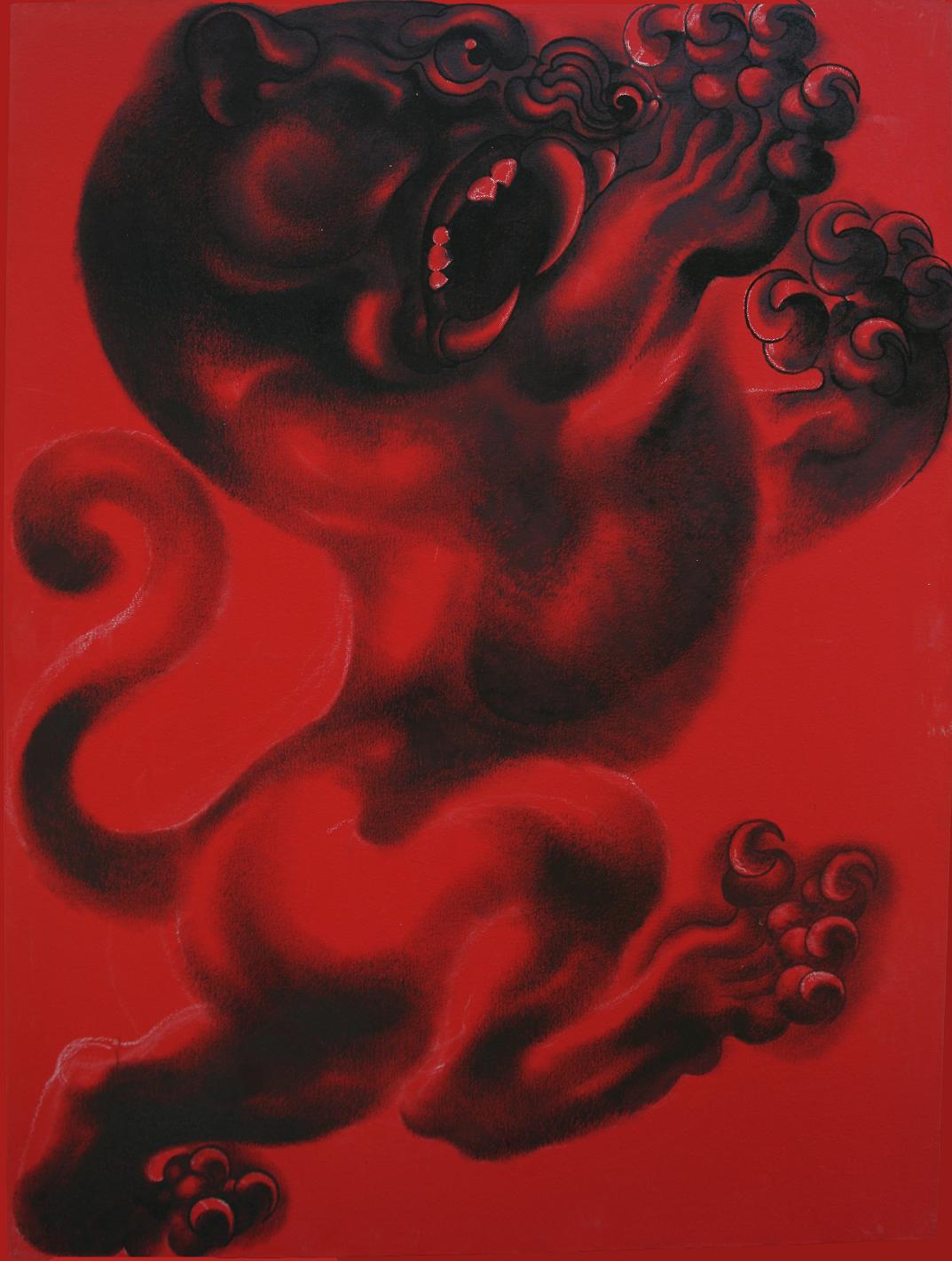
Lion, 2010
Oil on canvas, 110 x 90 cm
สิงโต 2553
สีน้ำมันบนผ้าใบ 110 x 90 ซม.
Vasan Sitthiket วสันต์ สิทธิเขตต์

Sandstorm, 2010
Mixed media on canvas, 240 x 120 cm
Sandstorm 2553
สื่อประสมบนผ้าใบ 240 x 120 ซม.
Wantanee Siripattananuntakul
วันทนีย์ ศิริพัฒนานันทกูร

Wantanocchiobot '09, 2009
Interactive Installation, Variable size
Wantanocchiobot '09 2552
อินเตอร์แอ๊คทีฟ อินสตอลเลชั่น ขนาดผันแปร
Wasinburee Supanichvoraparch
วศินบุรี สุพานิชวรภาชน์

Untitled, 2010
Ceramics, 300 x 300 x 180 cm
ไม่มีชื่อ 2553
เครื่องปั้นดินเผา ขนาด 300 x 300 x 180 ซม.
Worariddh Riddhagni วรฤทธิ์ ฤทธาคนี

One Mind With One Appearance, 1996
Acrylic on canvas, 80 x 100 cm
Collection of Sombatpermpoon Gallery, Bangkok
จิตหนึ่งกับรูปนาม 2539
สีอะคริลิคบนผ้าใบ 80 x 100 ซม.
สมบัติ ของ สมบัติเพิ่มพูน แกลเลอรี่ กรุงเทพฯ
August 23, 2010
Teerapon Hosanga (4)
BIOGRAPHICAL NOTE

Born 1980 in Phanga, Thailand. He lives and works in Bangkok, Thailand.
EDUCATION
2004
B.F.A (Sculpture), Silpakorn University, Bangkok
2007 - 2010
M.F.A. (Sculpture), Silpakorn University, Bangkok
GROUP EXHIBITIONS
2004
Art Thesis Exhibition, PSG Art Gallery, Bangkok
The 50th National Art Exhibition, Silpakorn University Art Gallery, Nakhon Pathom
2005
I’m just thinking, Hemlock Restaurant, Bangkok
2009
Artitude, HOF Art Gallery, Bangkok
2010
Group exhibition as part of the 3rd Silpakorn University Research Fair, Art and Culture Centre, Nakhon Pathom
SOLO EXHIBITIONS
2005
[RE]write the city, F[ake] gallery, a mobile gallery moving around Prasumane Fort, Mahakarn Fort, and Prang Phuthorn Community in Bangkok
2006
Listen in silent, Bangkok University Art Gallery. Solo exhibition as part of ‘Brand New’, a project initiated by the Faculty of Visual Arts, Bangkok University
2010
The Form of the Formless, WTF Gallery, Bangkok
Teerapon Hosanga (3)
WTF Gallery and Café
the form of the formless
A SCULPTURE EXHIBITION BY TEERAPON HOSANGA

Teerapon Hosanga: The Form of the Formless
19 Aug – 29 Sep 2010
(for Thai please scroll down)
Shadowing the laws of physics and mathematics in creating complex structures, Teerapon Hosanga uses sculpture as a medium to conceptualize growth and flux and the intangible essence of nature.

The complex forms created by repetitive connections among different rigid materials like aluminium, wood, rock and brass tubes do not literally represent the process of growth, even if they often seem to aspire to familiar organic forms, but rather symbolize them. Some works conceptualize the artist’s perception of the dynamic movement that occurs in the creation of nature, whereas others embody his curiosity about how the laws of physics affect the process of making things. While they often symbolize abstract phenomena – lightning, gravity, the growth process – they are at the same time powerful physical objects in their own right. In thrusting into space as though forever on the point of resolving themselves into regular patterns but forever folding in on themselves or remaining as it were incomplete, provisional, deferred, they draw on both the sculptural theories of the 20th Century and the architectural thinking of the 21st.
The Form of the Formless insists on a bold understanding of the power of sculpture to document the passage of time, the changes to our environment, the way events build on events to shape people’s lives — in other words, to tell afresh the story of how we came to be.
The exhibition is curated by Dr Axel Feuss
ธีรพล ห่อสง่าใช้งานประติมากรรมสื่อถึงคอนเซ็ปต์ของการเจริญเติบโต การเคลื่อนไหว และแก่นแท้ที่จับต้องไม่ได้ของธรรมชาติ ด้วยการเลียนแบบกฎฟิสิกส์และกฎเลขาคณิตในการผลิตโครงสร้างอันซับซ้อน
รูปร่างที่ซับซ้อนถูกสร้างขึ้นโดยการเชื่อมต่อซ้ำไปซ้ำมาจากวัสดุต่างๆ เช่น อลูมีเนียม ไม้ หิน และทองเหลือง แม้ชิ้นงานประติมากรรมเหล่านี้ดูเหมือนกำลังพยายามจะแปลงรูปเป็นสิ่งมีชีวิตอะไรบางอย่าง แต่ก็ไม่ได้แสดงให้เห็นถึงขั้นตอนการเจริญเติบโตอย่างตรงไปตรงมา แต่แสดงให้เห็นในเชิงสัญลักษณ์มากกว่า งานบางชิ้นสะท้อนมุมมองของศิลปินที่มีต่อการเคลื่อนไหวที่มีพลังซึ่งเกิดขึ้นตามธรรมชาติ ในขณะที่งานชิ้นอื่นๆสะท้อนให้เห็นความฉงนสงสัยของศิลปินว่ากฎฟิสิกส์มีผลต่อการเกิดขึ้นของสิ่งต่างๆอย่างไร
แม้งานประติมากรรมเหล่านี้พยายามสื่อถึงปรากฏการณ์ที่จับต้องไม่ได้ เช่น ฟ้าผ่า แรงดึงดูด ขั้นตอนการเติบโตของสิ่งมีชีวิต แต่ในขณะเดียวกันงานแต่ละชิ้นงานก็เป็นวัตถุที่จับต้องได้และมีพลังอย่างบอกไม่ถูก โครงสร้างเหล่านี้หากเจริญเติบโตต่อไปอาจกลายร่างเป็นรูปทรงธรรมดาก็ได้ แต่มันถูกหยุดไว้ในกาลเวลา และกลายเป็นงานประติมากรรมที่ดูเหมือนยังสร้างไม่เสร็จ และจะถูกเก็บไว้อย่างนั้นชั่วกัลปวสาร โดยงานชุดนี้มีพื้นฐานมาจากทฤษฏีทางประติมากรรมของศตวรรษที่ 20 และความคิดทางสถาปัตยกรรมของศตวรรษที่ 21
การสำแดงของสิ่งที่ไม่มีรูป เชื่อในพลังของประติมากรรมในการถ่ายทอดเรื่องราวเกี่ยวกับกาลเวลา ความเปลี่ยนแปลงที่เกิดขึ้นรอบตัวเรา การที่เหตุการณ์หนึ่งนำไปสู่อีกเหตุการณ์หนึ่งและทำให้ชีวิตคนเปลี่ยนไป อาจพูดได้ว่าเป็นการเล่าเรื่องราวในมุมมองใหม่ว่าเราเกิดขึ้นและเดินทางมาถึงจุดๆนี้ได้อย่างไร
ภัณฑารักษ์ของ การสำแดงของสิ่งที่ไม่มีรูป คือ ดร. อักเซล ฟอยซ์
the form of the formless
A SCULPTURE EXHIBITION BY TEERAPON HOSANGA

WTF Gallery and Café, 7 Sukhumvit 51, Bangkok 10110, Thailand, http://wtfbangkok.com/
Teerapon Hosanga: The Form of the Formless
19 Aug – 29 Sep 2010
(for Thai please scroll down)
Shadowing the laws of physics and mathematics in creating complex structures, Teerapon Hosanga uses sculpture as a medium to conceptualize growth and flux and the intangible essence of nature.

The complex forms created by repetitive connections among different rigid materials like aluminium, wood, rock and brass tubes do not literally represent the process of growth, even if they often seem to aspire to familiar organic forms, but rather symbolize them. Some works conceptualize the artist’s perception of the dynamic movement that occurs in the creation of nature, whereas others embody his curiosity about how the laws of physics affect the process of making things. While they often symbolize abstract phenomena – lightning, gravity, the growth process – they are at the same time powerful physical objects in their own right. In thrusting into space as though forever on the point of resolving themselves into regular patterns but forever folding in on themselves or remaining as it were incomplete, provisional, deferred, they draw on both the sculptural theories of the 20th Century and the architectural thinking of the 21st.
The Form of the Formless insists on a bold understanding of the power of sculpture to document the passage of time, the changes to our environment, the way events build on events to shape people’s lives — in other words, to tell afresh the story of how we came to be.
The exhibition is curated by Dr Axel Feuss
ธีรพล ห่อสง่าใช้งานประติมากรรมสื่อถึงคอนเซ็ปต์ของการเจริญเติบโต การเคลื่อนไหว และแก่นแท้ที่จับต้องไม่ได้ของธรรมชาติ ด้วยการเลียนแบบกฎฟิสิกส์และกฎเลขาคณิตในการผลิตโครงสร้างอันซับซ้อน
รูปร่างที่ซับซ้อนถูกสร้างขึ้นโดยการเชื่อมต่อซ้ำไปซ้ำมาจากวัสดุต่างๆ เช่น อลูมีเนียม ไม้ หิน และทองเหลือง แม้ชิ้นงานประติมากรรมเหล่านี้ดูเหมือนกำลังพยายามจะแปลงรูปเป็นสิ่งมีชีวิตอะไรบางอย่าง แต่ก็ไม่ได้แสดงให้เห็นถึงขั้นตอนการเจริญเติบโตอย่างตรงไปตรงมา แต่แสดงให้เห็นในเชิงสัญลักษณ์มากกว่า งานบางชิ้นสะท้อนมุมมองของศิลปินที่มีต่อการเคลื่อนไหวที่มีพลังซึ่งเกิดขึ้นตามธรรมชาติ ในขณะที่งานชิ้นอื่นๆสะท้อนให้เห็นความฉงนสงสัยของศิลปินว่ากฎฟิสิกส์มีผลต่อการเกิดขึ้นของสิ่งต่างๆอย่างไร
แม้งานประติมากรรมเหล่านี้พยายามสื่อถึงปรากฏการณ์ที่จับต้องไม่ได้ เช่น ฟ้าผ่า แรงดึงดูด ขั้นตอนการเติบโตของสิ่งมีชีวิต แต่ในขณะเดียวกันงานแต่ละชิ้นงานก็เป็นวัตถุที่จับต้องได้และมีพลังอย่างบอกไม่ถูก โครงสร้างเหล่านี้หากเจริญเติบโตต่อไปอาจกลายร่างเป็นรูปทรงธรรมดาก็ได้ แต่มันถูกหยุดไว้ในกาลเวลา และกลายเป็นงานประติมากรรมที่ดูเหมือนยังสร้างไม่เสร็จ และจะถูกเก็บไว้อย่างนั้นชั่วกัลปวสาร โดยงานชุดนี้มีพื้นฐานมาจากทฤษฏีทางประติมากรรมของศตวรรษที่ 20 และความคิดทางสถาปัตยกรรมของศตวรรษที่ 21
การสำแดงของสิ่งที่ไม่มีรูป เชื่อในพลังของประติมากรรมในการถ่ายทอดเรื่องราวเกี่ยวกับกาลเวลา ความเปลี่ยนแปลงที่เกิดขึ้นรอบตัวเรา การที่เหตุการณ์หนึ่งนำไปสู่อีกเหตุการณ์หนึ่งและทำให้ชีวิตคนเปลี่ยนไป อาจพูดได้ว่าเป็นการเล่าเรื่องราวในมุมมองใหม่ว่าเราเกิดขึ้นและเดินทางมาถึงจุดๆนี้ได้อย่างไร
ภัณฑารักษ์ของ การสำแดงของสิ่งที่ไม่มีรูป คือ ดร. อักเซล ฟอยซ์
Subscribe to:
Posts (Atom)